Smart Irrigation in Africa: Sensors, Weather and AI Explained
Understand smart irrigation, compare monitoring with automatic control, and plan a trial that measures water delivery, costs and operational results.
Published by Faminga. Prepared with AI-assisted research and drafting; sources checked on 5 September 2026. Product descriptions are attributed to their providers. Examples and evaluation checklists are editorial guidance, not results of a comparative field trial.
Smart irrigation in Africa combines information about the crop, soil and weather with a practical way to manage water. Sensors can show what is happening near the roots. Weather information helps anticipate demand. A farmer, adviser or controller then decides whether to irrigate and checks whether the intended water was delivered.
The system does not need to begin with automatic valves. A reliable measurement and a clear decision process can improve an existing manual workflow. Automation becomes useful when the measurement, equipment and response rules are dependable enough to trust.
Understand the water decision
Irrigation scheduling concerns both timing and quantity. FAO's CROPWAT calculates crop and irrigation requirements using soil, climate and crop information. Its approach is based on a soil-water balance. This illustrates why a useful irrigation decision needs more than a single moisture percentage.
In simple terms, record water coming into the root zone and account for water leaving it. Crop development, rainfall, irrigation and losses affect that balance. A forecast informs the next decision, but observed rainfall belongs in the record of what actually happened.
A practical system should let the user distinguish the measured facts from estimates. If the last rainfall entry is missing, show the gap. If a pump delivery rate is assumed, label it as an assumption until measured.
What the soil sensor contributes
A soil moisture sensor provides information at its installation point. Its interpretation depends on the measurement type, soil, depth and location relative to the roots and irrigation equipment. The University of Minnesota's irrigation sensor guidance explains these measurement and installation considerations.
Do not copy a threshold from another farm without checking its meaning. A useful commissioning process establishes what the reading represents and how it responds under known field conditions. Read our soil sensor guide before selecting or installing equipment.
Ask what happens when the sensor stops reporting. A stale reading should not silently continue to drive a new decision. The person responsible needs an obvious indication of missing or outdated information.
What weather and AI add
Weather-based scheduling uses more than rainfall alone. FAO's crop evapotranspiration guidance explains how crop coefficients relate reference evapotranspiration to crop water use. Applying that method requires appropriate local inputs and interpretation.
AI may help explain trends, bring records together or prioritise an inspection. It should preserve the distinction between an estimate and a measurement. Ask a supplier to show the inputs behind a recommendation and describe the response when those inputs disagree.
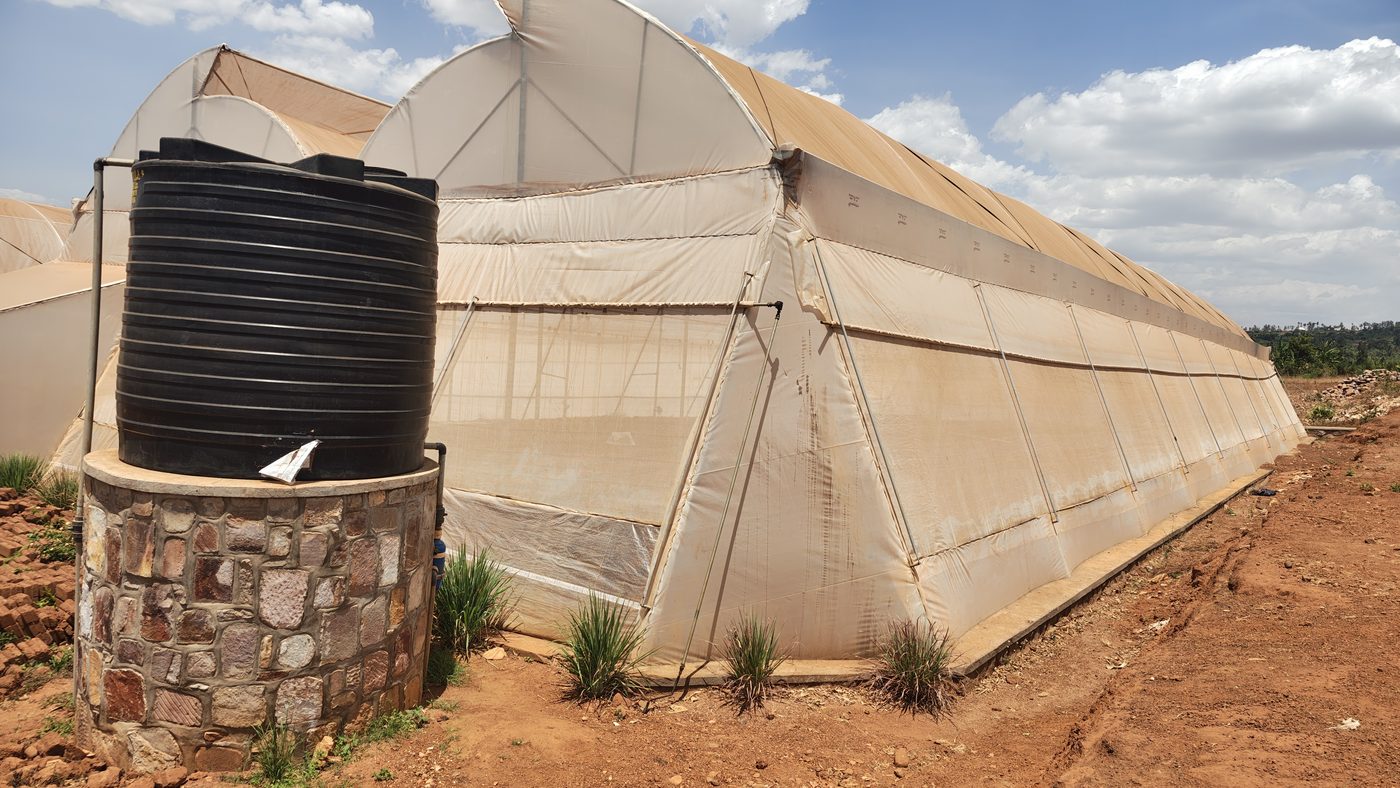
For a greenhouse, check how the system accounts for the protected environment. An outside rainfall forecast does not mean water reached a covered bed. Record the actual irrigation and relevant conditions inside the structure.
Monitoring, advice and automatic control are different stages
Monitoring displays observations. A person still interprets them and decides what to do.
Advisory proposes an action. A farmer or qualified adviser checks the recommendation and carries it out.
Automatic control operates equipment according to configured rules. It needs safeguards for missing data, power interruption and equipment faults, as well as a way for a responsible person to intervene.
Ask which stage a quotation includes. A sensor dashboard is not an automatic irrigation system. A product marketed as “AI irrigation” may still depend on manual decisions, and that may be entirely appropriate for the farm.
Check the plumbing before judging the software
A correct recommendation is only useful if the irrigation system delivers water as expected. Include the pump, storage, filters, pipes and emitters in the commissioning discussion. Establish how the operator checks delivery and identifies a blockage or leak.
Measure or verify the delivery rate used in calculations. For illustration, a system delivering 1,000 litres per hour for two hours supplies 2,000 litres. If output changes, runtime alone will not describe the volume accurately. This is an arithmetic example, not a recommended irrigation amount.
Keep the unit and area explicit. A volume for an entire greenhouse cannot be compared directly with a depth applied to one bed without converting using the appropriate area.
Run a first trial with a clear baseline
Choose a manageable irrigation area and record the current process: who decides, what information they use, how water is delivered and what can be measured. Document the crop, planting date and equipment. Keep records before introducing the new advice workflow.
During the trial, record recommendations, actual irrigation, measured water where available, interruptions, labour and relevant crop observations. Keep missed or rejected recommendations in the record; they explain whether the service fits the farmer's reality.
At review, distinguish lower water withdrawal from lower cost and from improved crop performance. A change in pumping time is not a complete impact study. Weather, area, crop stage and management may also have changed. Report those differences instead of attributing every result to the technology.
Ask for a complete operating budget
Include hardware, installation, energy, connectivity, software, routine servicing and replacement parts. If a cooperative shares the service, clarify how costs and responsibilities are allocated. Identify who will answer an alert outside normal working hours.
Solar power changes the energy arrangement; it does not by itself establish efficient water use. Ask how storage and pumping capacity match the intended schedule, and how the system operates during periods when generation or water supply is limited.
Where Faminga fits
Faminga's published greenhouse field account illustrates its work connecting soil observations with farm decisions. Treat that account as field context, not a controlled water-saving result. A supplier assessment should request the exact equipment, supported workflow and service conditions proposed for your farm.
For the wider system, read our precision agriculture guide for Rwanda and farm data guide. Smart irrigation earns its value when the farmer can understand the recommendation, deliver the intended water and examine what happened afterwards.