Digital Agriculture in Rwanda: A Cooperative Workflow
Connect field records, crop advice, harvests and sales in a Rwandan cooperative. Use this four-week pilot plan to evaluate agricultural technology.
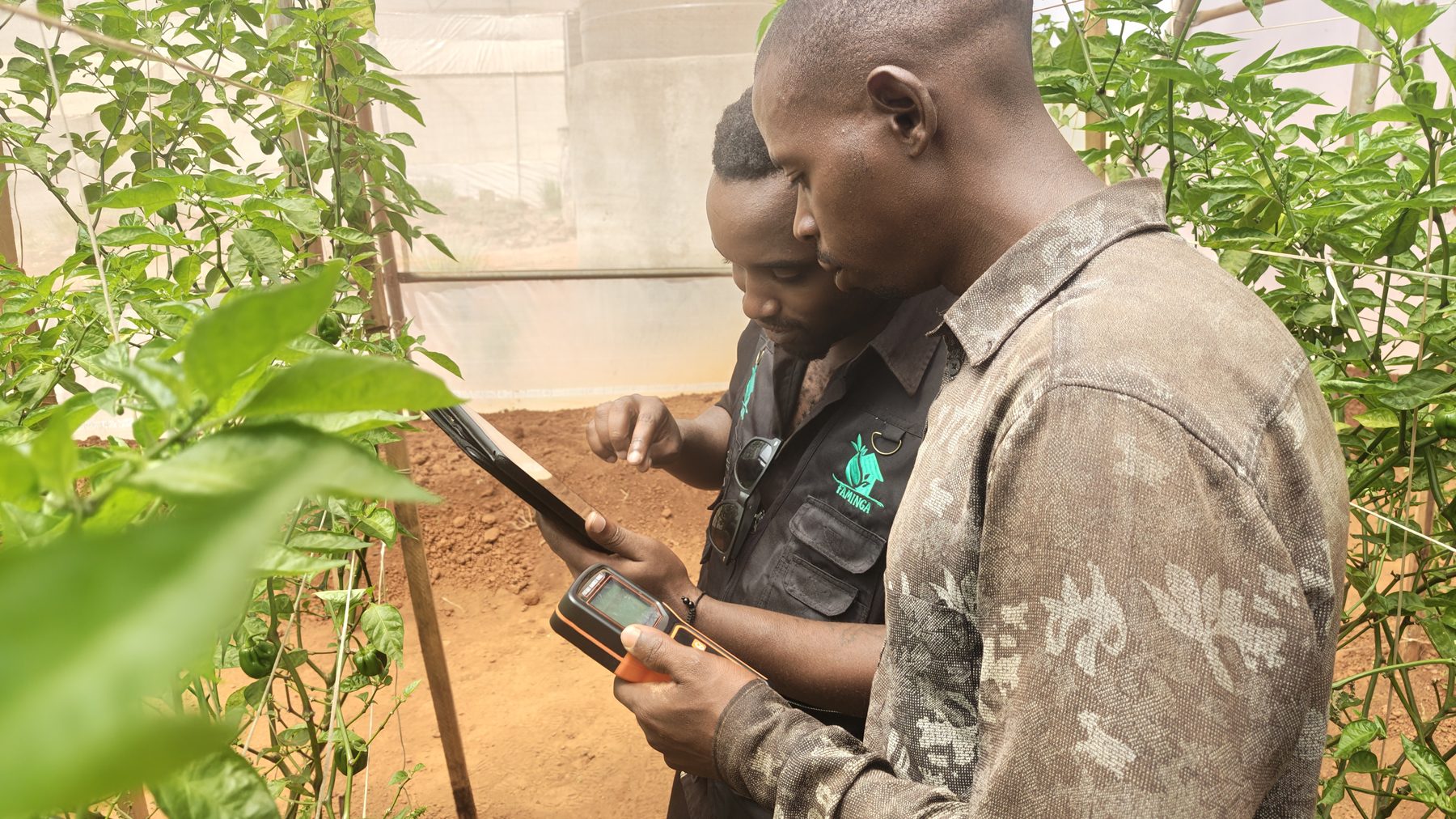
For a cooperative in Rwanda, digital agriculture works when a field observation can be followed through to a farming action, a harvest record and a sale. The immediate goal is not to give every member another form. It is to make the information already collected easier to use and harder to lose.
AI-powered agritech can support this work by organising records, explaining observations and helping staff prioritise follow-up. It still needs clear responsibilities, understandable screens and records that members trust. This guide sets out a practical workflow to evaluate before adopting a platform.
Start with one crop cycle
Choose a crop cycle and a manageable group of participating members. Record the current process before introducing software: who collects field information, who plans activities, how harvest quantities are recorded and how members learn about payments.
Look for repeated work. Does a field officer copy the same names into several spreadsheets? Does an agronomist receive a plant photograph without knowing the field? Does a buyer-facing list contain estimates that nobody has updated? These are concrete problems a digital workflow can address.
Rwanda's PSTA 5 launch announcement places resilience and sustainable agri-food systems alongside challenges such as post-harvest losses and market access. A cooperative can contribute through better coordination without buying every available technology at once.
Connect six records that belong together
1. Member, field and crop
Use recognisable field names and confirm which crop is being managed. A member may farm more than one plot; one plot may contain more than one crop. The system should preserve those relationships rather than putting all observations under the member's name alone.
Reuse information already recorded. When there is one relevant crop in a selected field, the interface should make that choice clear without requiring unnecessary typing. If there are several, the farmer or field officer should be able to select the right one easily.
2. Planned activity and completed work
Separate a scheduled activity from work that actually happened. Record the responsible person, intended date and completion information. If an activity is postponed, retain the reason when it is useful to the next decision.
Keep input units explicit. A record of “two bags” needs the product and bag size before it can support a meaningful cost or application review. Where quantities are estimated, label them as estimates.
3. Observation and advisory follow-up
A crop photograph or sensor alert should lead back to its field, date and relevant crop. Keep the original observation alongside the advice so an agronomist can understand what the recommendation was based on.
Track whether the farmer received the advice and whether a follow-up was needed. A notification sent is different from a problem resolved. AI can help explain the case, but uncertain or consequential decisions need a suitable path to human review.
4. Expected harvest and measured harvest
An expected quantity helps plan labour, handling and buyer conversations. At harvest, record what was actually measured. Keep adjustments visible instead of overwriting the estimate without explanation.
If a cooperative aggregates produce, identify the contributing member or lot and the measurement method. This makes later questions about quantity and acceptance easier to resolve. It also prevents a planning forecast from being mistaken for stock already available.
5. Listing, order and delivery
A marketplace listing is an offer, not a completed sale. Record the quantity offered, unit, relevant quality details and availability. Once there is an order, keep its status separate from the listing and the harvest record.
Before promising delivery, confirm the operational arrangements: who accepts the order, where produce is collected, who records acceptance and how changes are communicated. A marketplace integration should make these responsibilities visible rather than hiding them behind a single “sold” label.
6. Amount due and payment received
Show agreed amounts, relevant deductions and payment status distinctly. Record a payment reference where appropriate, and provide a way to investigate a mismatch. An order marked delivered does not automatically prove that the member has received money.
Ask a prospective supplier to demonstrate this distinction with fictional records. There is no need to use a member's real payment or personal information in an initial sales demonstration.
Give each person the information needed for their job
A farmer needs their own fields, actions and records. An agronomist needs relevant cases and follow-up information. A cooperative manager needs operational summaries and the ability to resolve exceptions. A seller or buyer should not receive unrelated private farm information merely because they participate in a transaction.
Before adopting a platform, ask how access is granted, reviewed and removed when responsibilities change. Ask whether members can see corrections to important records and how the cooperative can export its information. These are practical selection questions, not a substitute for a review of applicable data protection obligations.
Keep collection proportionate to the job. Counting completed inspections may help improve service. Collecting unrelated personal details does not make the agricultural advice better. Explain to members what is recorded and why.
A four-week pilot that tests everyday work
Week one: map the current process. Choose the participating members, confirm field and crop records and identify a staff contact for questions. Record the time spent on the existing process so there is something concrete to compare.
Week two: complete a real operational workflow. For example, move from a field observation to an adviser response and a scheduled follow-up. Watch where people need help. Include the language and devices members normally use.
Week three: test exceptions. Try a changed harvest estimate, an unclear observation, a missing connection and a staff handover using safe trial records. Confirm that the system shows what remains unresolved rather than making every case look complete.
Week four: review with members. Ask which steps became easier and which created extra work. Check record completeness, response time, support effort and ongoing cost. A short pilot tests usability and operations; it does not establish a season's yield or income impact.
How to evaluate Faminga for this workflow
Faminga connects farm management, advisory tools and marketplace functions within one platform. Ask for a demonstration covering the records your cooperative needs, including the transition between roles. Confirm the current availability of any external marketplace connection rather than assuming a proposed integration is already operating.
Our farm data guide explains the underlying records, while Precision Agriculture in Rwanda shows how weather and sensor information can support them. For the wider local ecosystem, see our Rwanda agritech overview.
A good first deployment leaves the cooperative with a dependable routine: a named field, a clear observation, a responsible person and a record of what happened next. Add more technology when that routine works and the next problem is clear.
Published by Faminga. Prepared with AI-assisted research and drafting; sources checked on 3 October 2026. Pilot steps are editorial proposals, not a report of a completed cooperative trial. Confirm current product and integration availability before procurement.